These are the instructions we write from practice: what to do about baked-on grease in an oven, limescale in the bathroom, a stain on a mattress or a smell that will not air out. Each guide is a sequence of steps with proportions and timings rather than a general wish to keep the home tidy.
How the section works
Every guide answers one specific question. "How to clean an oven" and "how to clean a microwave" are two separate pages, because they are different surfaces, different products and different dwell times. Inside each you will find what you need, several methods for different degrees of soiling, a section on what not to do, and an honest limit: the point at which a home method stops working.
By topic
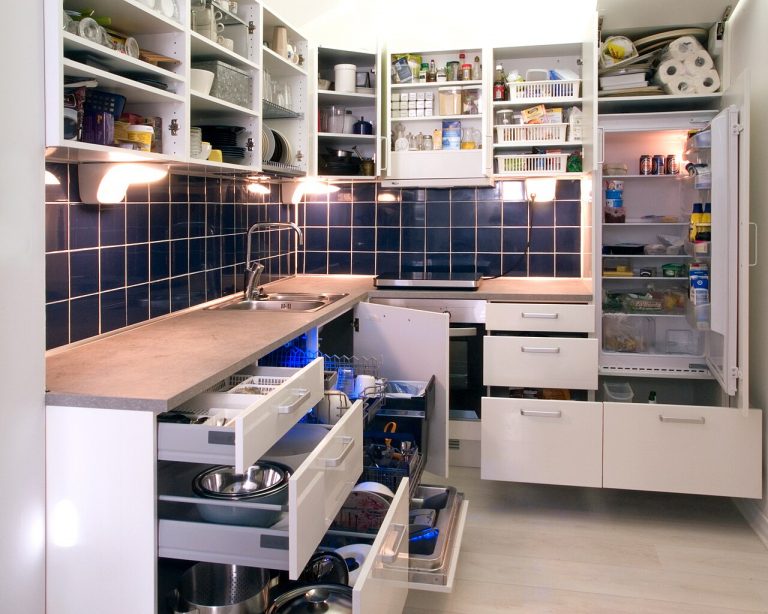
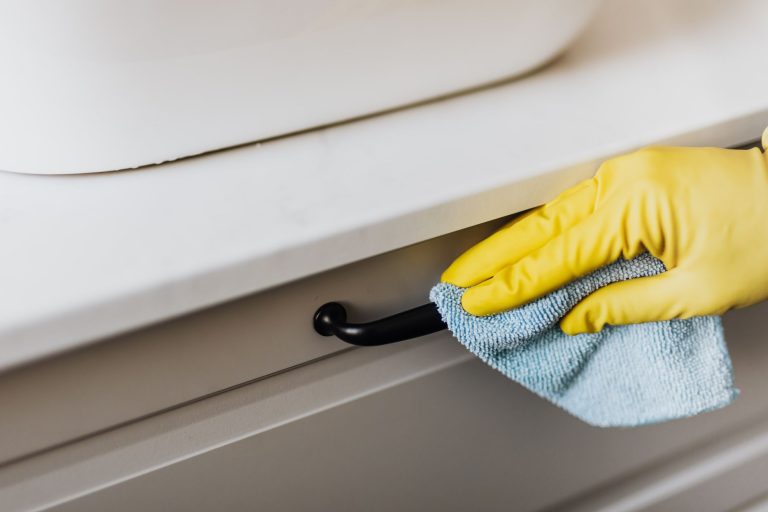
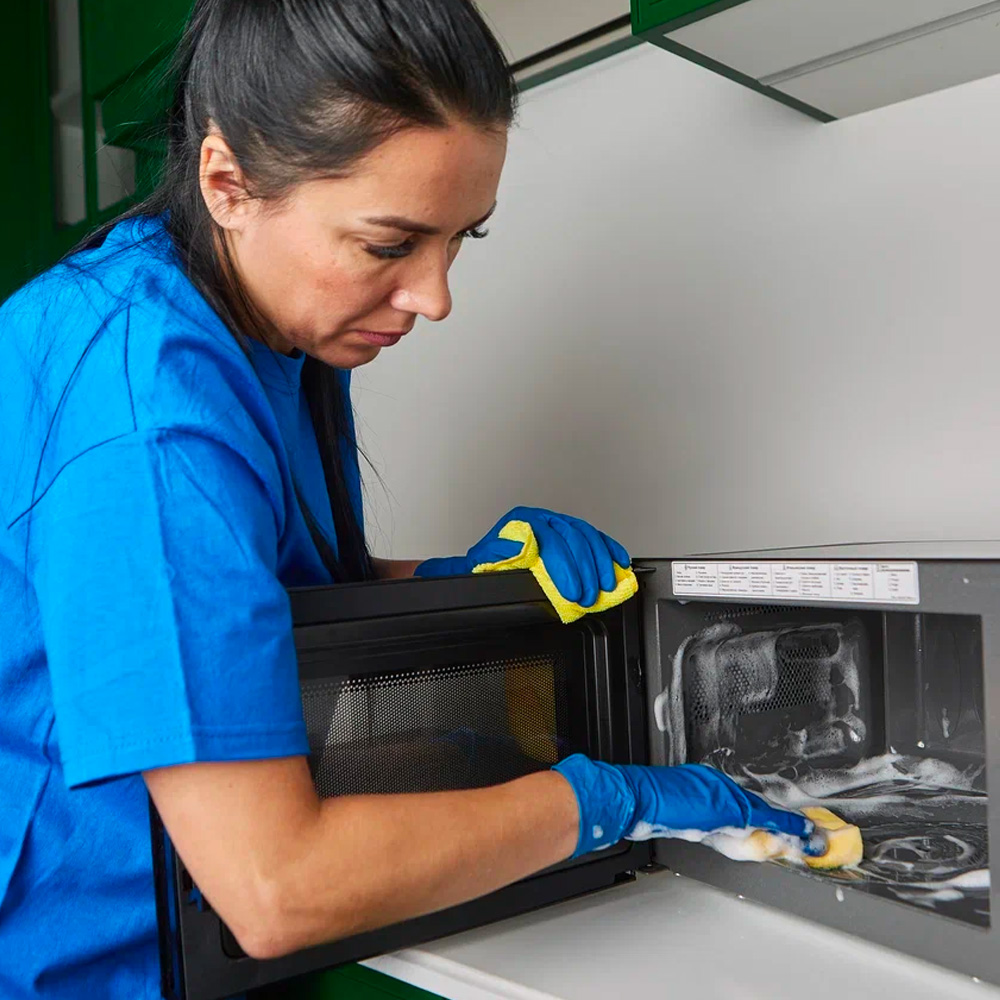
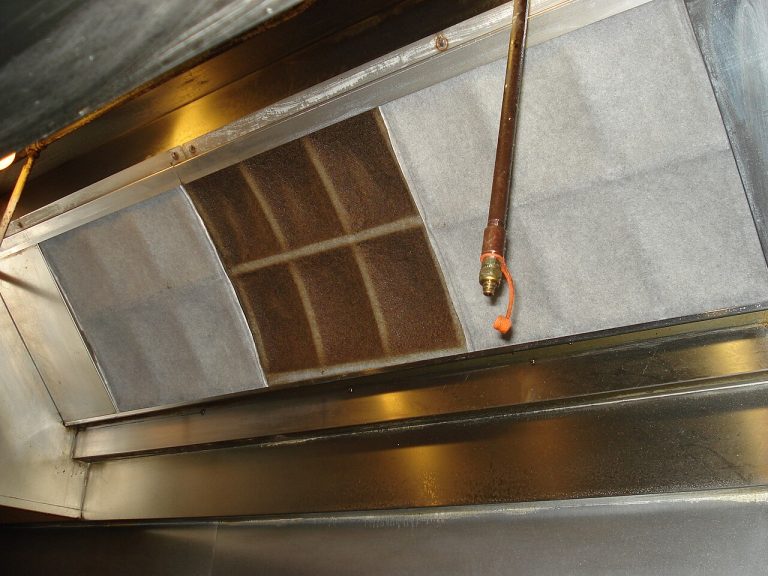
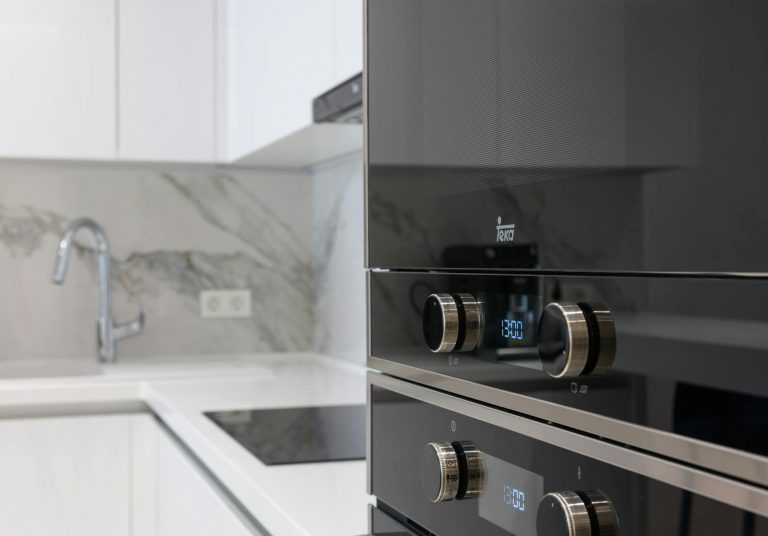
- Kitchen — oven, extractor hood and grease filter, microwave, fridge, cabinets inside, hob, limescale in kettles.
- Bathroom — limescale, tile grout, mould, shower screen glass.
- Windows and balcony — streak-free washing, wooden frames in older buildings, windows after construction work, balconies.
- Upholstery, mattresses, carpets — stains, pet hair, care between professional cleans.
- Floors, smells, seasonal — parquet, household smells, construction dust, spring cleaning.
Why the guides carry proportions rather than "use a product"
Advice without numbers does not work. "Cover it with baking soda and leave it for a while" says nothing: soda behaves differently on enamel than on glass, and "a while" differs tenfold between fresh grease and five years of baked-on carbon. So every method states the proportion, the dwell time and the point at which it stops being effective.
What to keep at home
Most of these guides need a short kit that costs less than a single call-out: baking soda, 9 % white vinegar, citric acid, ammonia solution, a melamine sponge, two kinds of microfibre (dense for washing, fluffy for polishing) and a rubber squeegee for glass. Specialist chemicals are needed less often than people expect, and almost always where baked-on grease or organic matter in fabric is involved.
The second thing usually missing is not a product but dwell time. Most failures at home come down to rinsing a product off after two minutes instead of forty.
Where home cleaning ends
Some jobs really are simpler to do yourself: a fresh stain, light limescale, dust on surfaces. Others either fail at home or damage the surface — upholstery soaked through to the foam, years of deposit in grout, carpet with hair worked into the base. Each guide states that limit plainly and shows what the same job costs done by a cleaner, so the time and the money can be compared.
If what you need is the work rather than the advice, see the service catalogue or build an order in the form: a one-room flat from UAH 1,550, paid after the work.
How this differs from the blog
The blog covers what is specific to Lviv: what cleaning costs, how to choose a contractor, what to expect from a visit. This section is practice only. Questions about the service itself are gathered in questions and answers.





















 09.09.2026